- October 21, 2026
- Roots
- 11:51 am
A good timber fence gives you privacy, security and a natural look at a fraction of the price of many alternatives. But it only performs if you choose the right timber, the right posts and the right fixings. Get those wrong and you’ll be dealing with leaning panels, rotting posts and a neighbour dispute within a few years.
This guide covers what timber fencing is, the main styles, which timber suits Melbourne’s weather, the fencing supplies you’ll need, what drives the cost, and the rules you should know before you start. Whether you’re a homeowner, builder or landscaper sourcing fencing supplies in Melbourne, you’ll finish with a clear plan and a materials list.
Quick answer: Timber fencing uses treated pine, hardwood or cypress posts, rails and palings to form a boundary or privacy screen. In Melbourne, most residential fences use H4-rated treated posts in the ground and H3-rated palings and rails above it.
What Is Timber Fencing and Is It Still the Right Choice?
Timber fencing is a boundary or screening structure made from wooden posts, horizontal rails and vertical or horizontal boards. For background on how fences are classified, see Wikipedia’s overview of fences.
Why do people still choose timber?
- Cost: Timber is usually cheaper to supply than many metal or masonry options.
- Look: It suits traditional, modern and rustic homes, and can be painted or stained.
- Flexibility: Easy to cut, adjust and repair.
- Natural feel: Works well with gardens and landscaping.
When is timber not the best choice?
If you want near-zero maintenance, or the fence will be in constant wet ground contact, you may prefer another material. We compare these later in this guide.
What Types of Timber Fencing Can You Choose?
Paling fences
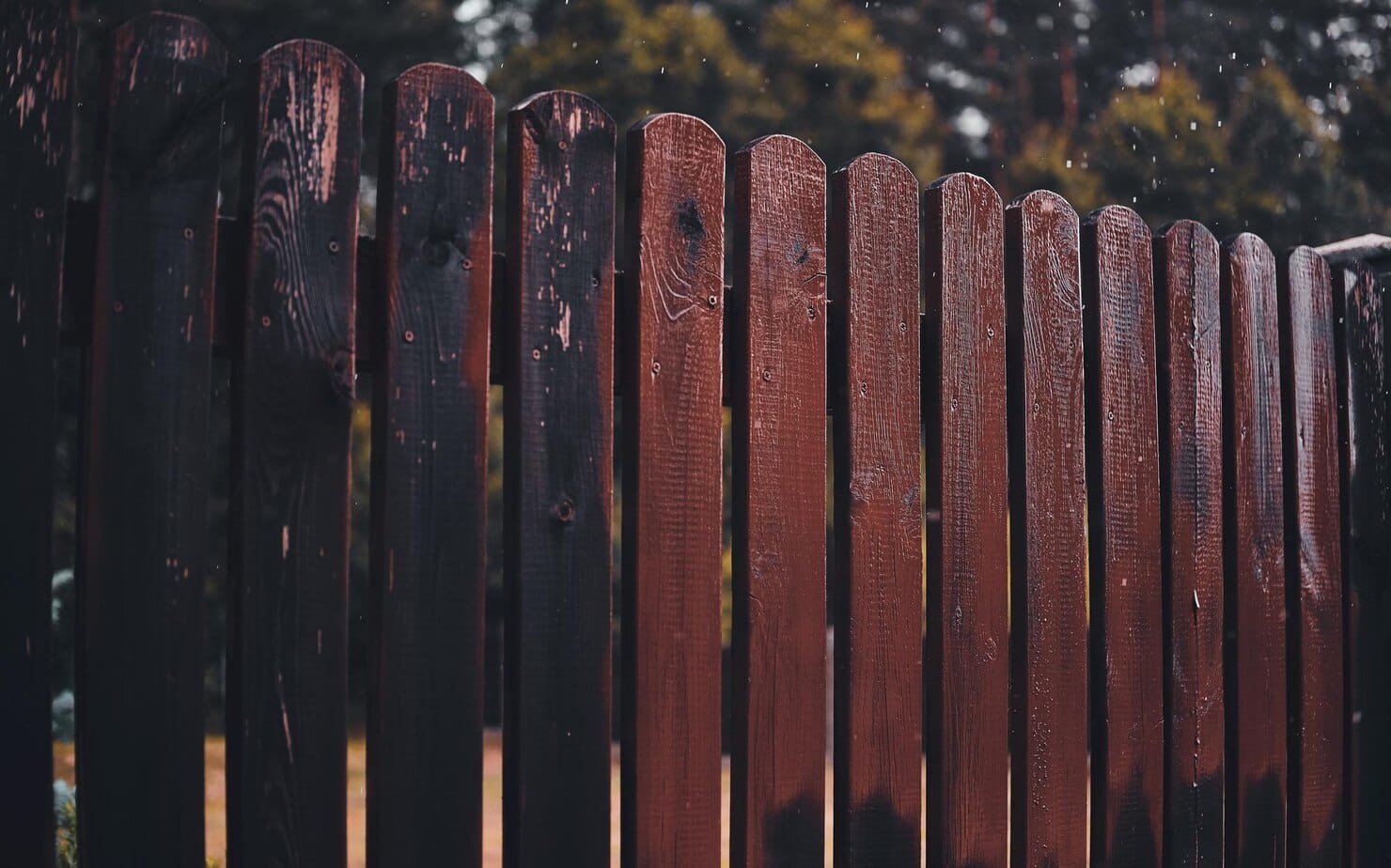
The classic Australian fence: vertical palings fixed to rails between posts. It’s economical, private and the most common dividing fence style.
Lapped and capped palings
Overlapping palings with a top cap rail give a tidy, durable finish. Capping also helps shed water off the paling tops, which extends life.
Picket fences
Spaced pickets with decorative tops, typically lower in height. Popular for front yards and character homes.
Slat and horizontal fences
Horizontal boards create a contemporary look. They need careful board selection and fixing to resist warping.
Lattice and decorative panels
Used for screening, pergola infill and garden features. Browse options on your site’s lattice page.
Which Timber Is Best for Melbourne Conditions?
Melbourne has hot, dry summers, cool wet winters and sudden temperature swings. Timber moves with moisture, so quality and treatment matter.
Treated pine
The most popular choice. Preservative treatment protects against rot and insects. Use the right hazard class:
- H4 or higher for posts set in the ground
- H3 for palings, rails and other above-ground parts
Treated timber should be labelled with its hazard class. Always check.
Hardwood
Dense and durable, often used for posts and premium fences. It costs more and is harder to cut and fix, so pre-drilling is common.
Cypress
Naturally resistant to termites, popular for posts and rustic styles.
Which is best?
| Situation | Suggested choice |
|---|---|
| Budget dividing fence | Treated pine posts, rails and palings |
| Long-life premium fence | Hardwood posts with quality palings |
| Termite-prone or rustic look | Cypress posts |
| Wet or poorly drained ground | Higher treatment class or a non-timber post |
What Fencing Supplies Do You Need?
Use this checklist when ordering fencing supplies in Melbourne:
Core timber components
- Posts (the structural backbone)
- Rails (usually two or three per panel)
- Palings (the visible surface)
- Capping (finishes the top edge)
- Plinth (a base board to protect the lowest palings from soil contact)
Hardware and extras
- Fixings: Galvanised or stainless nails and screws suited to treated timber
- Brackets and post supports
- Gate frames and hardware
- Concrete or post-set mix for footings
- Stain, oil or paint for finishing
Tip: Order 5–10% extra palings for cuts and damaged boards, and buy all materials together so the colour and grade match.
How Much Does Timber Fencing Cost?
Costs vary by supplier, season and material, so treat any figures you read online as indicative only. The main cost drivers are:
- Fence length and height
- Timber type and treatment level
- Post size and spacing
- Ground conditions (rock, slope, clay)
- Removal of the old fence
- Gates and extras
- Whether you build it yourself or hire a fencer
Get itemised quotes that separate materials, delivery and labour. Compare the same specification, not just the bottom-line price.
What Are the Rules for Fences in Victoria?
Dividing fences and neighbours
In Victoria, the Dividing Fences Act 1991 sets out how neighbours deal with shared boundary fences, including notice and cost-sharing. Talk to your neighbour first, put the plan in writing and follow the process. The Victorian Government and VCAT publish plain-English guidance on this.
Building permits and height
Some fences need a building permit or council consent, depending on height, location and any overlays. As a general guide, taller fences and some front fences can trigger requirements. Check with your council and the Victorian Building Authority before you build.
Pool fencing
Pool barriers have separate safety requirements. Do not assume a normal timber fence meets them. Check the VBA’s pool barrier guidance.
Bushfire areas
If your property is in a bushfire-prone area, material choices may be limited. Check with your building surveyor and the CFA.
How Do You Build a Timber Fence That Lasts?
Step 1: Plan and mark the line
Confirm the boundary, locate underground services (call Dial Before You Dig on 1100 or visit byda.com.au) and agree the design with your neighbour.
Step 2: Set the posts properly
Posts are what fail first. As a general guide, bury around a third of the post length, use a well-compacted or concrete footing, keep spacing consistent and keep posts plumb. Confirm exact specifications for your fence type with your supplier or a qualified fencer.
Step 3: Fix the rails
Use correct fixings and keep rails level. Don’t leave long spans unsupported.
Step 4: Fix the palings
Leave small, consistent gaps if the timber is wet, and use fixings suited to treated timber.
Step 5: Finish the edges
Add capping and a plinth, and seal cut ends. These details are what separate a fence that lasts 20 years from one that lasts 8.
How Do You Maintain a Timber Fence?
- Inspect annually for loose fixings, leaning posts and rot at ground level.
- Re-coat every 2–4 years with a quality stain or sealer, depending on exposure.
- Keep soil and mulch clear of the base so the timber can dry.
- Trim plants that trap moisture against palings.
- Repair quickly. Replace single damaged palings before problems spread.
Timber vs Colorbond: Which Is Better?
| Factor | Timber | Colorbond |
|---|---|---|
| Upfront cost | Often lower | Often higher |
| Maintenance | Needs periodic coating | Very low |
| Look | Natural, customisable | Clean, uniform |
| Repairs | Easy to patch | Panel replacement |
| Lifespan | Depends on timber and care | Long with correct install |
Neither is “better” in all cases. Choose timber for natural character and budget flexibility, and Colorbond for minimal upkeep. See your site’s Colorbond fencing page.
How Do You Choose a Fencing Supplier in Melbourne?
Look for a supplier that:
- Stocks posts, rails, palings, capping and hardware together
- Labels grade and hazard class clearly
- Gives honest advice and itemised quotes
- Delivers reliably across Melbourne
- Can show certification for sustainable sourcing, such as FSC or Responsible Wood
- Has recent, detailed Google reviews (see Google’s Business Profile help) and an active Facebook page
Frequently Asked Questions
What is the best timber for fencing in Melbourne?
Treated pine is the most common and cost-effective choice, with H4 or higher posts in the ground. Hardwood and cypress are good alternatives for longer life or termite resistance.
How long does a timber fence last?
Well-built treated pine fences commonly last 15–20 years with sensible maintenance. Lifespan depends on timber quality, installation and exposure.
How much do fencing supplies cost in Melbourne?
It varies by timber, quantity and current market prices. Request an itemised quote for your exact fence length and height.
Do I need a permit to build a timber fence in Victoria?
It depends on height, location and council rules. Check with your council and the Victorian Building Authority before you begin.
Who pays for a dividing fence?
Under Victoria’s Dividing Fences Act 1991, neighbours generally share the cost of a sufficient dividing fence, following the notice process. Check current guidance for your situation.
What is the difference between H3 and H4 treated pine?
H3 is for outdoor above-ground use, such as palings and rails. H4 is for outdoor in-ground contact, such as posts.
How far apart should fence posts be?
Spacing depends on timber, fence height and design, and is commonly around 2.4–2.7 m. Confirm with your supplier or fencer for your specification.
How often should I stain or seal a timber fence?
Typically every 2–4 years, or when water stops beading on the surface.
Can I build a timber fence myself?
Yes, if you are comfortable with measuring, digging and fixing, and you understand your boundary and permit obligations. Complex or tall fences are best left to professionals.
Conclusion: Build It Right the First Time
A timber fence rewards good planning. Choose the right timber and hazard class, buy complete fencing supplies from one source, follow Victorian rules and look after it with simple maintenance. Do that and your fence will deliver privacy, security and kerb appeal for many years.
Key takeaways:
- Use H4+ posts in the ground and H3 palings and rails above it.
- Capping, plinth and quality fixings extend life.
- Check neighbour, council and permit requirements before you start.
- Compare itemised quotes, not just totals.
Ready to Price Your Fence?
Tell us the fence length, height and style, and we’ll help you work out the right timber and a complete materials list.
Get a free fencing supplies quote →
Call 0359051984 or email sales@rootstimber.com.au.

Roots Timber & Hardware Team
Roots Outdoor Timber is one of the leading timber suppliers in Melbourne proudly offering the best priced timber , wood wall cladding and fencing supplies in Melbourne. Based in we’re one of the best timber stores in Melbourne stocking a great range of premium quality hardwood timber supplies and materials for your project. Whether you’re a professional tradie or a DIY hobbyist, you needn’t look any further for trusted timber suppliers in Melbourne.